
Geophysical Survey & MASW
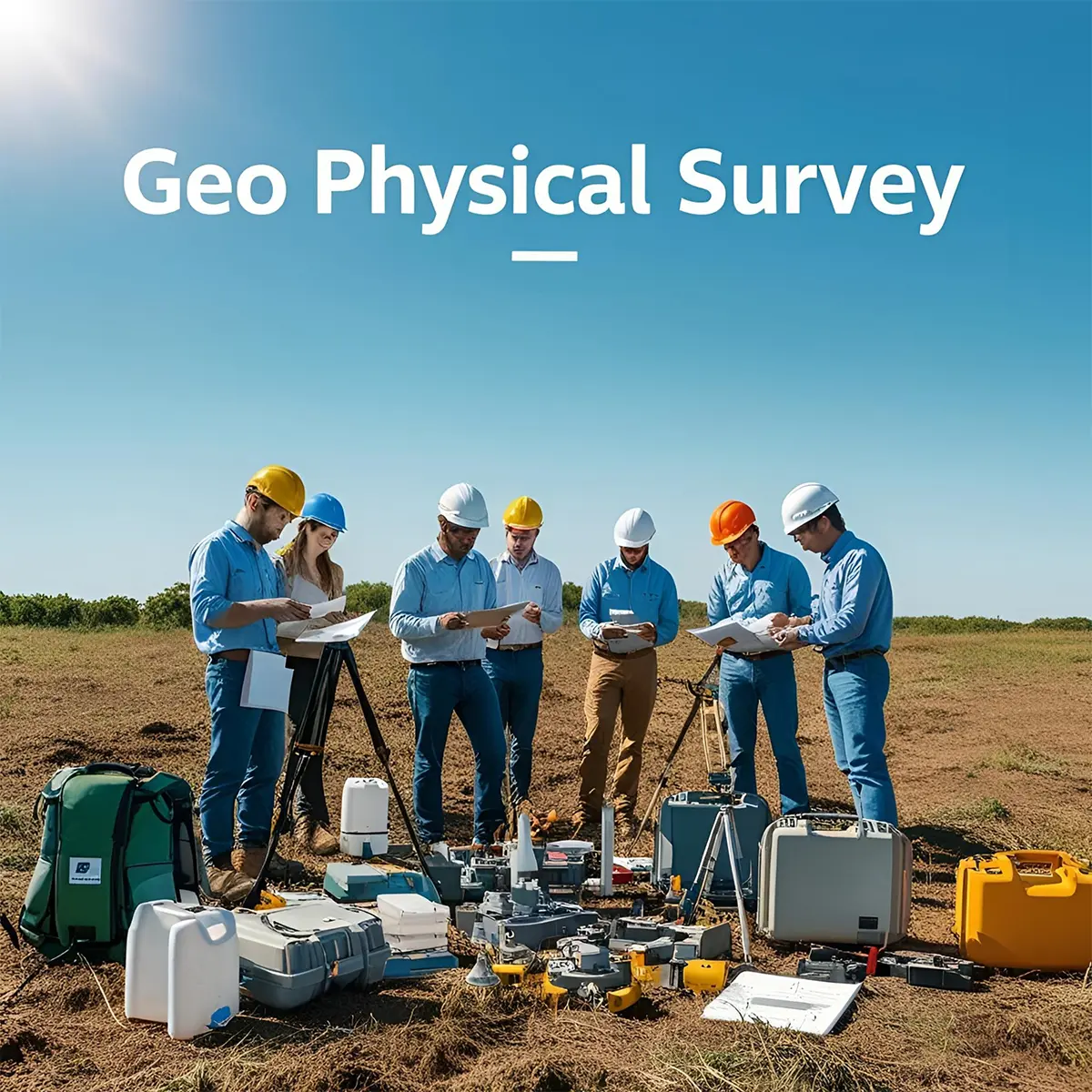
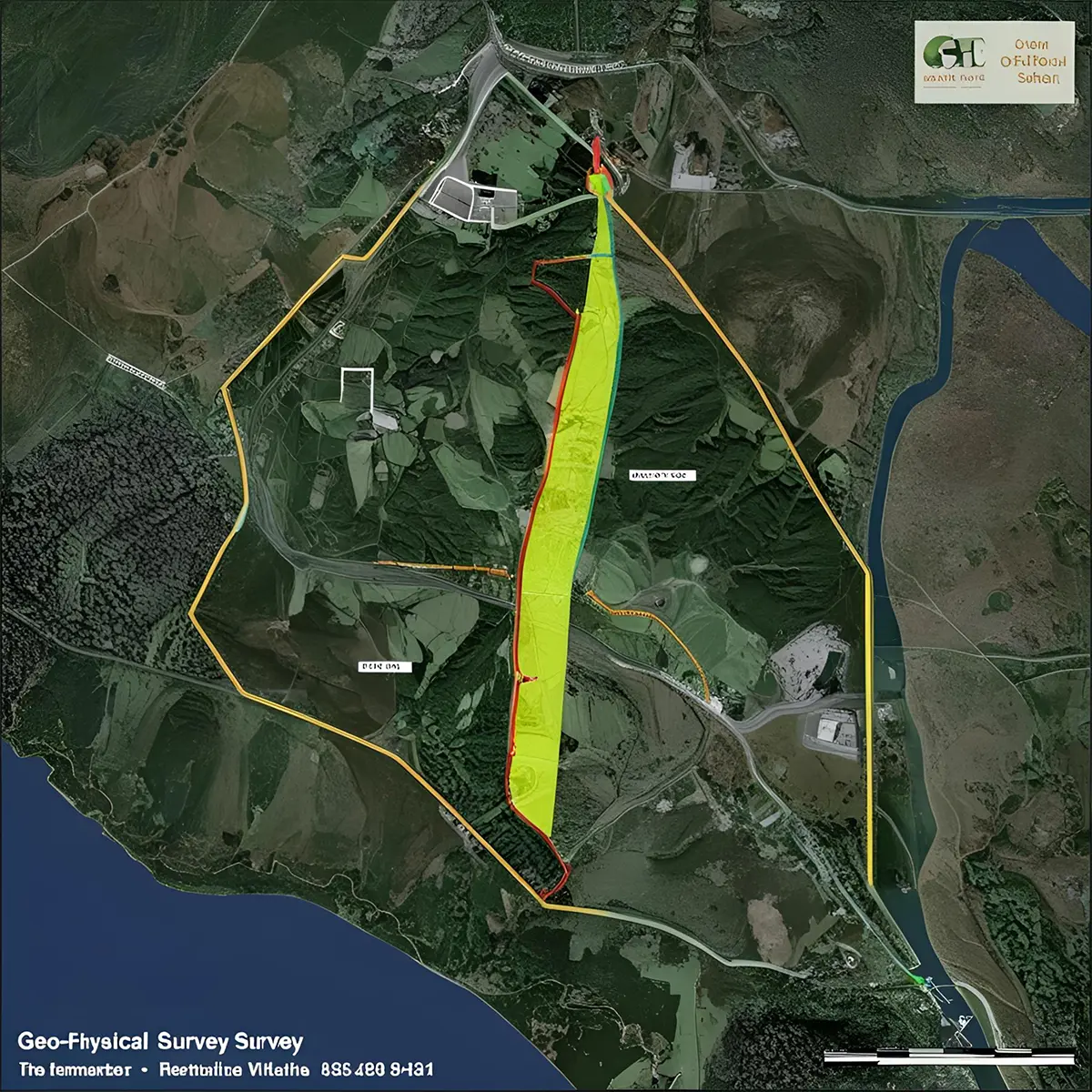
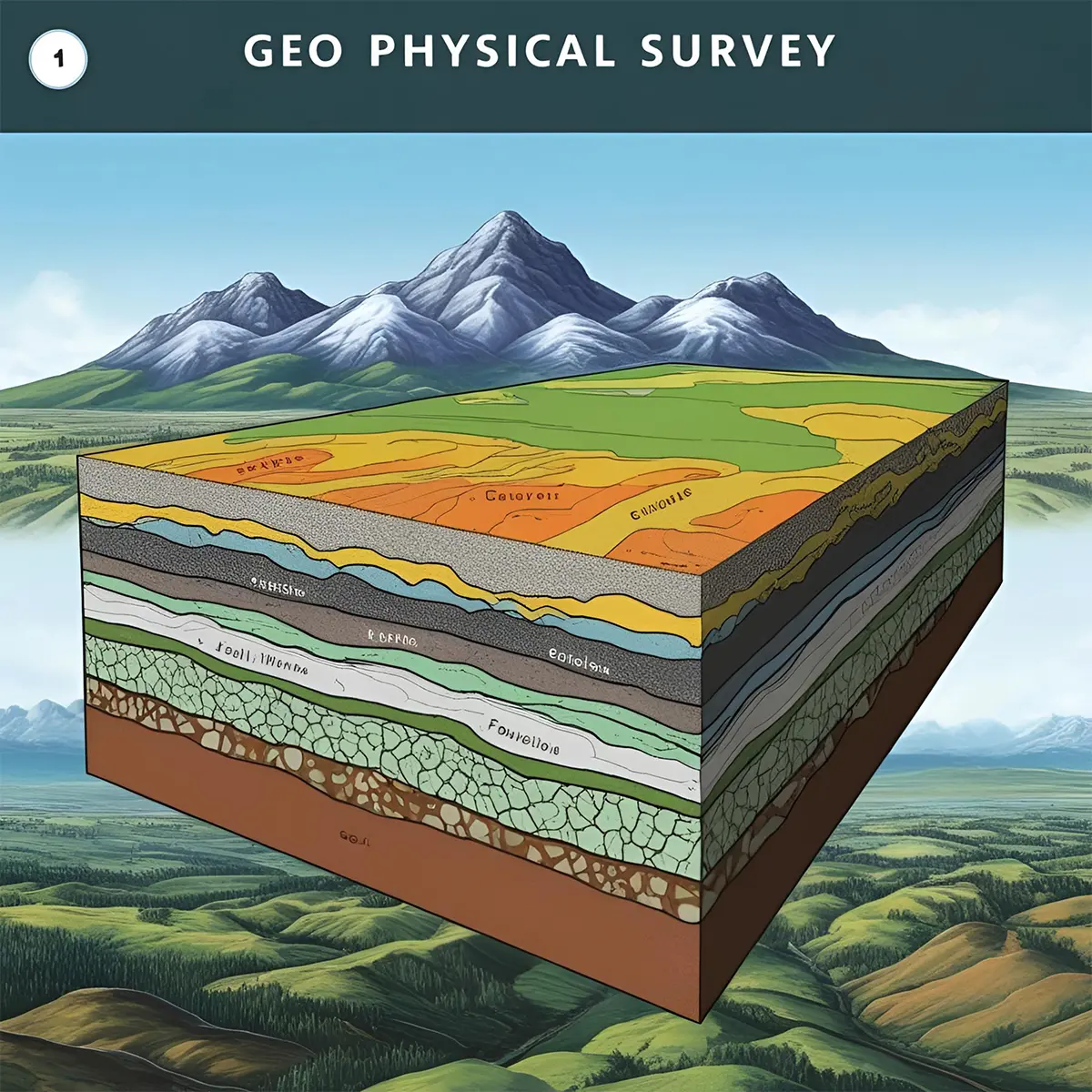
Geophysical surveys are essential tools used to gather detailed information about the subsurface conditions of a site. These surveys employ various geophysical methods to detect and map the physical properties of the earth's subsurface, such as electrical conductivity, magnetic susceptibility, and seismic velocity. This data is crucial for a wide range of applications, including construction, environmental assessment, and resource exploration.
Other Survey Services
Frequently Asked Questions
What is MASW (Multichannel Analysis of Surface Waves)?
MASW is a non-invasive seismic geophysical method that measures surface wave velocity to determine subsurface soil and rock stiffness profiles, helping engineers assess ground conditions without extensive drilling.
When is a geophysical survey needed for a project?
Geophysical surveys are used for construction planning, environmental assessment, and resource exploration — particularly on large sites where mapping subsurface conditions between boreholes helps reduce drilling costs and risk.
How does geophysical survey differ from soil investigation?
Soil investigation uses physical borehole drilling and lab testing at specific points, while geophysical survey and MASW use non-invasive electrical, magnetic, and seismic methods to map conditions across a wider area between those points.
What subsurface properties can geophysical surveys detect?
Geophysical surveys detect electrical conductivity, magnetic susceptibility, and seismic velocity variations in the subsurface, revealing soil layering, bedrock depth, groundwater presence, and buried anomalies.